At one point, native advertising was a major traffic source for many verticals. It was actively used by affiliates in e-commerce, gaming, nutra, and even adult dating. For readers less familiar with native, here is the short definition: native ads do not look like ads – users perceive them as part of a website. This small detail changes everything.
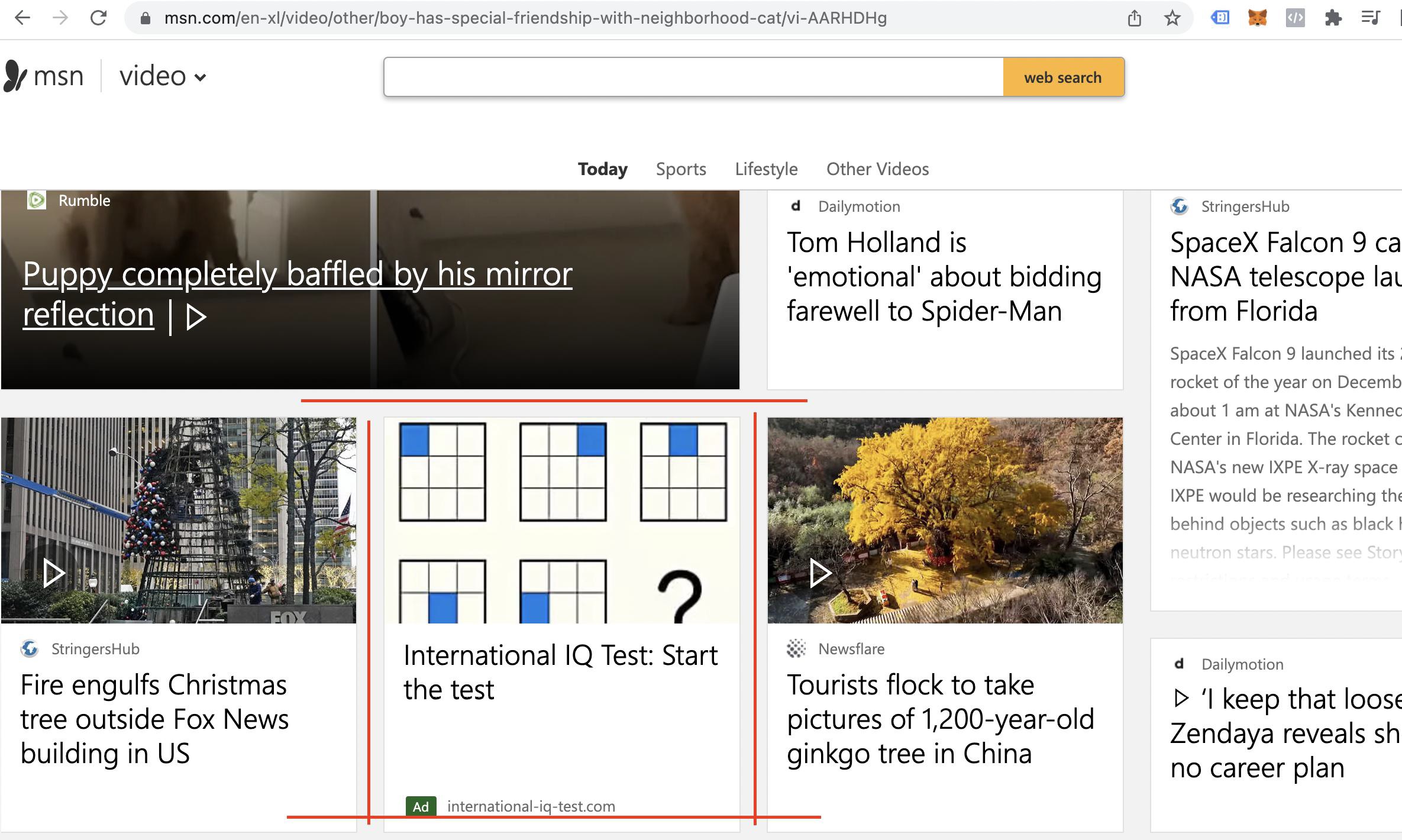
Given banner blindness, regulatory pressure, and growing distrust toward classic ad formats, the ability to reduce obvious ad signals makes native traffic potentially very promising. Yet despite these advantages, many affiliates still fail to make it work.
Let’s break down why. Today the native market is dominated by several large players: MGID, Taboola, Outbrain, Revcontent, adsKeeper, Adblade, Content.ad, and Adnow. In recent years, approving products that are socially sensitive (and often popular among affiliates) became much harder on native networks. In an ideal world this would end the story – but affiliate reality is different. Cloaking and similar techniques are still used to get desired traffic. It is a constant fight with no final winner.
Take Facebook as an example. We often hear that Facebook algorithms cannot be bypassed. In practice, Facebook both fights abuse and powers an entire ecosystem around account farming, tools, and proxy operations. Campaigns in difficult niches still run there.
Facebook and native networks are businesses first. Their final goal is revenue. So while anti-abuse pressure is real, full elimination of gray practices is unlikely. Facebook owns its traffic and can absorb more risk. Native networks depend on publisher relationships, and that changes enforcement incentives.
Native networks may not have Facebook-level algorithmic depth, but they use a very effective economic control: prepayment and deposit risk. If you are caught violating policy, you can lose your deposit. In contrast, Facebook more often bills after delivery.
This is why approval flow is central in native. Once your ads are approved, campaign mechanics are usually straightforward.
Native can still work, but it is much more product-driven than channel-driven. If your product cannot pass policy or cannot be adapted to policy-compliant creatives, no buying tactic will save the economics.
I also checked publisher overlap and found that large publishers are often not exclusive to one native network.
Taboola publisher examples (from Similarweb):
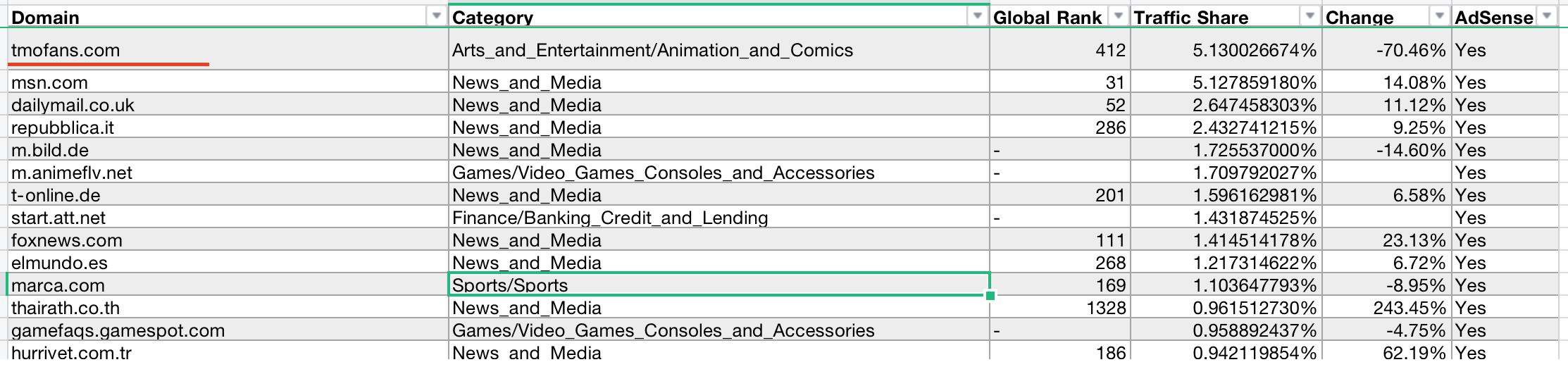
A major Taboola publisher with inventory also seen via ExoClick:
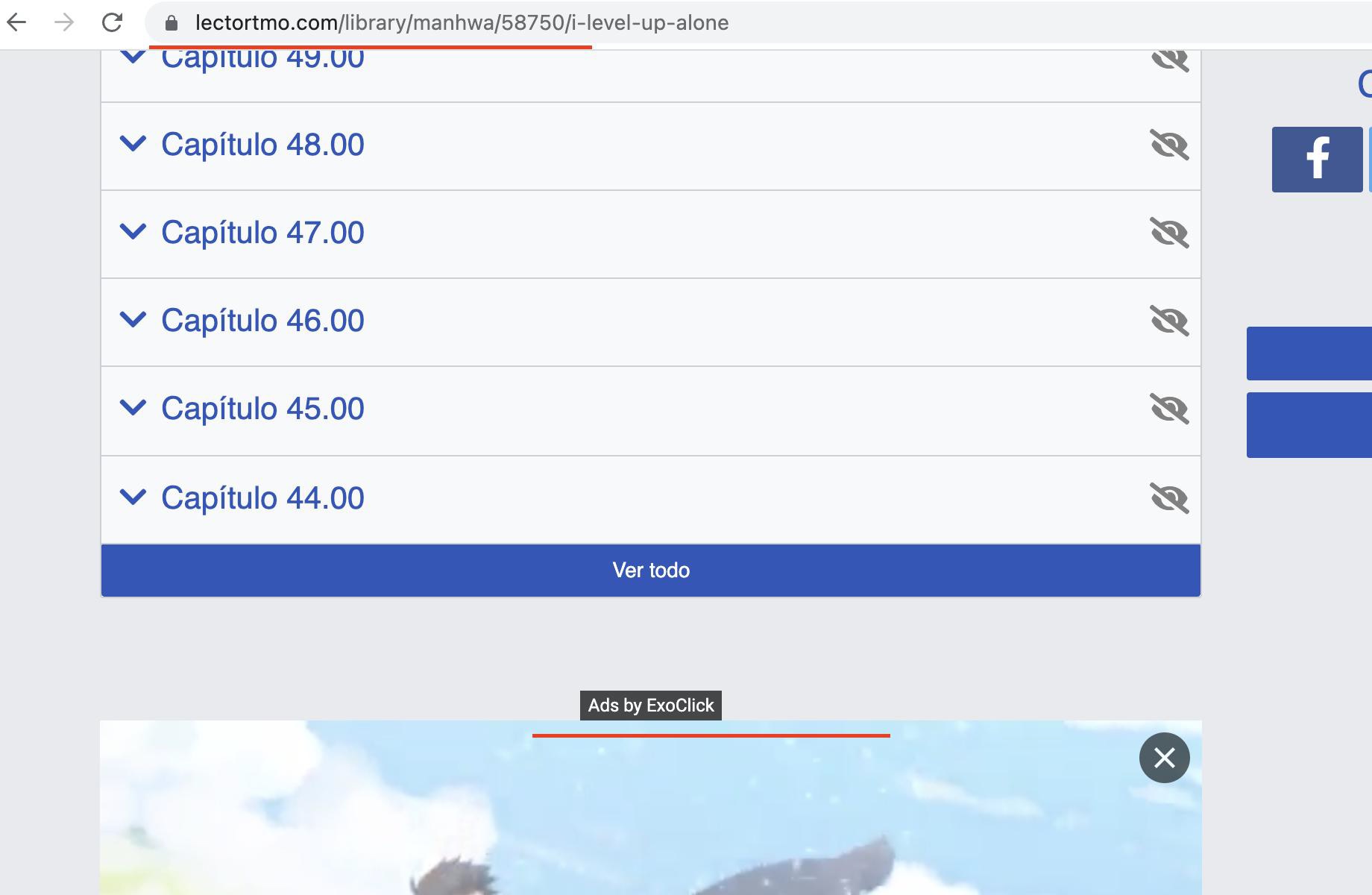
That means you can map promising domains and test acquisition via another network or negotiate direct buying. Direct buying is harder if your product is not strongly aligned with site context, but it can still be viable.
A practical limitation: native networks usually hide real domain names. Still, this can be partially bypassed by matching widget IDs between observed placements and your own network data.
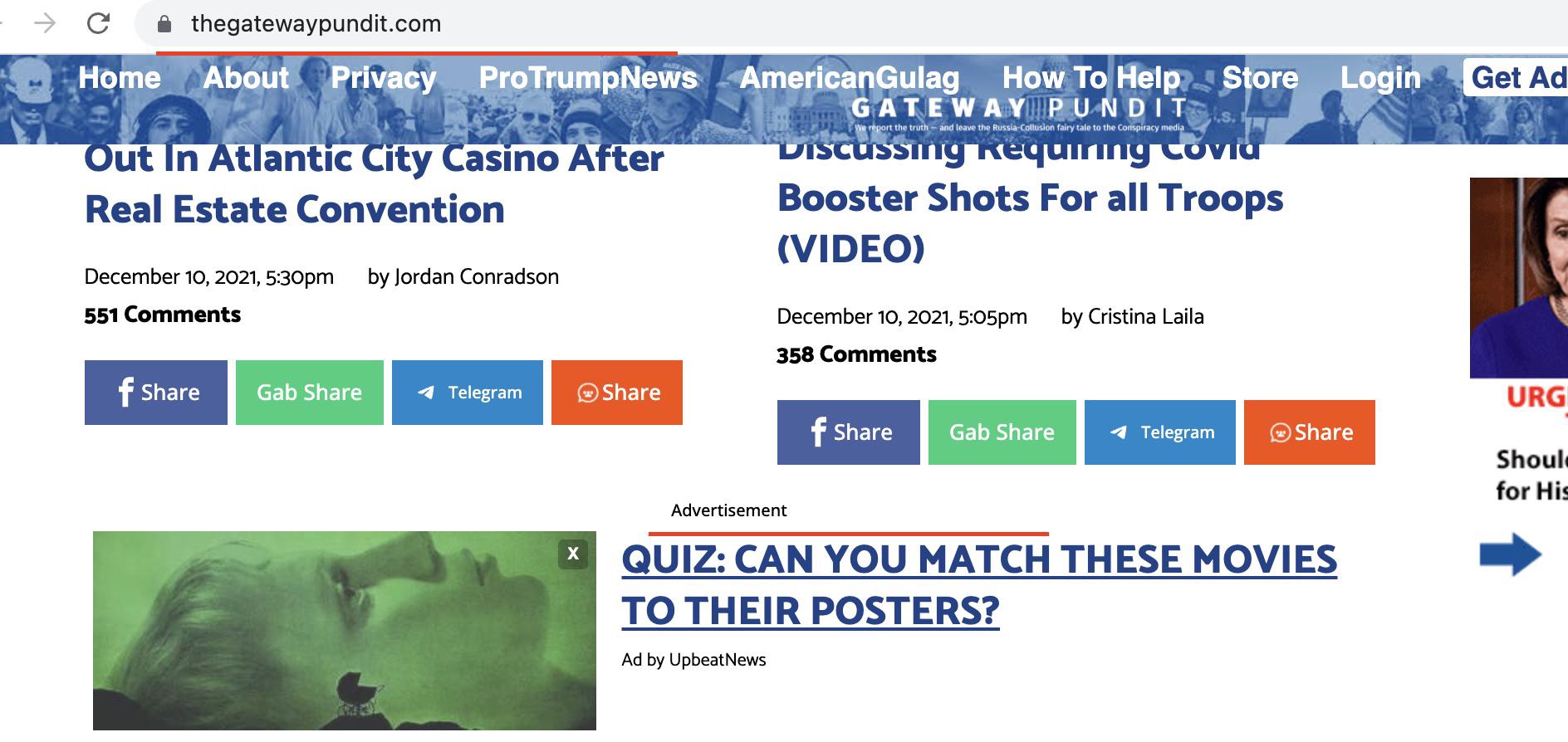
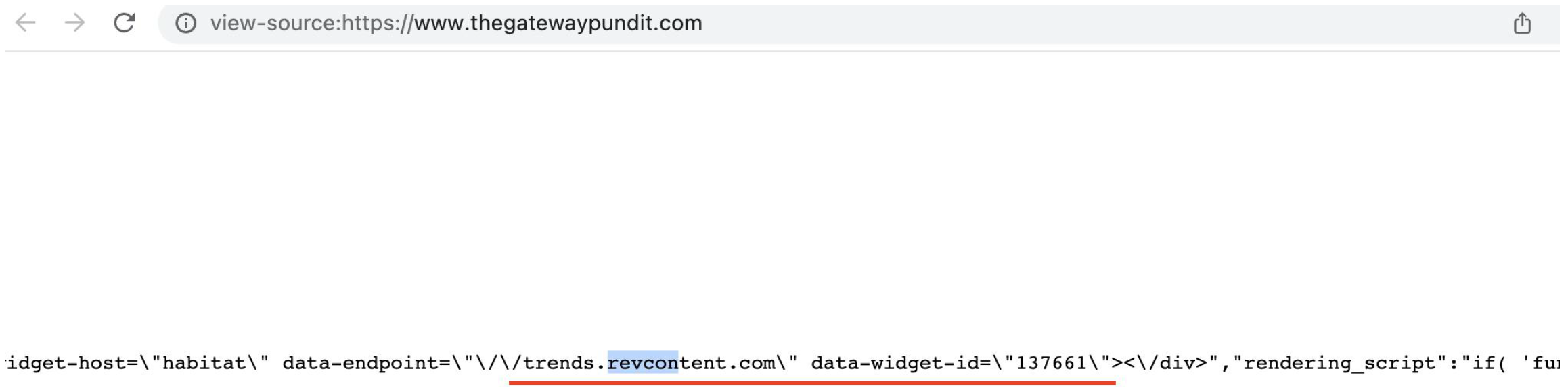
Keep in mind that widget IDs rotate, and hyper-narrow targeting by a tiny ID set often means less volume at a higher price. In many cases, broad testing with strong product-market fit performs better than over-segmentation.
So when it comes to native traffic, the key variable is the product itself, not only the buying trick. If your product is approvable and converts, optimization can take it to profitability.
This article is not meant to discourage you from native. A smart affiliate should know not only what to do, but also what to avoid. Native can be a great opportunity – as long as you enter with realistic expectations and solid operational discipline.